Tan faster and more evenly

To tan, you will need to spend some time in the sun.

Get as much safe sun exposure in a week – without burning. Slow and easy tanning over a period of time is the best way to tan.

Boost your tan – fastest tanning

Boost your tan by increasing melanin by using MT2.

Melanotan II was first synthesized at the University of Arizona. Researchers there knew that one of the best defenses against skin cancer was melanin activated in the skin, a tan.

They hypothesized that an effective way to reduce skin cancer rates in people would be to induce the body’s natural pigmentary system to produce a protective tan prior to UV exposure.

The body’s naturally occurring hormone α-MSH causes melanogenesis, a process by which the skin’s pigment cells (melanocytes) produce the skin’s pigment (melanin).

They tested to see if administering this endogenous hormone to the body directly could be an effective method to cause sunless tanning. What they found was that while it appeared to work, natural α-MSH had too short a half life in the body to be practical as a therapeutic drug. So they decided to find a more potent and stable alternative, one that would be more practical and so Melanotan 2 was born.

Foods that enhances tan

The following food will enhance your skin tone, when eaten regularly and in moderation:

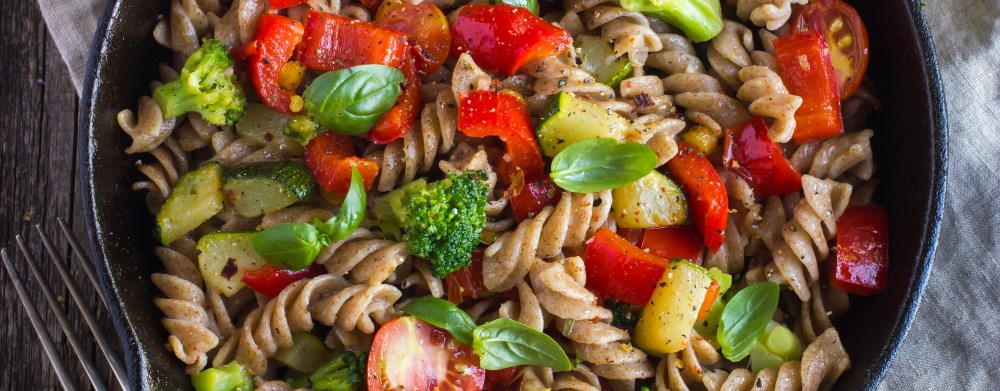
Carrots. When carrots are consumed regularly (and in moderation), the skin adapts a more natural and healthy-looking hue.

Tomatoes, sweet potatoes, cantaloupe and apricots. Like carrots, these carotenoid rich fruits and veggies improve your skin’s color while providing other health benefits.

Spinach and kale. These dark, leafy greens should definitely be a staple in your diet, as well as broccoli, as they are the secret to glowing skin.

Olive Oil. Although olive oil doesn’t contain any carotenoids, antioxidants and omega-3s, it will give your skin a moisture boost for a healthier appearance.

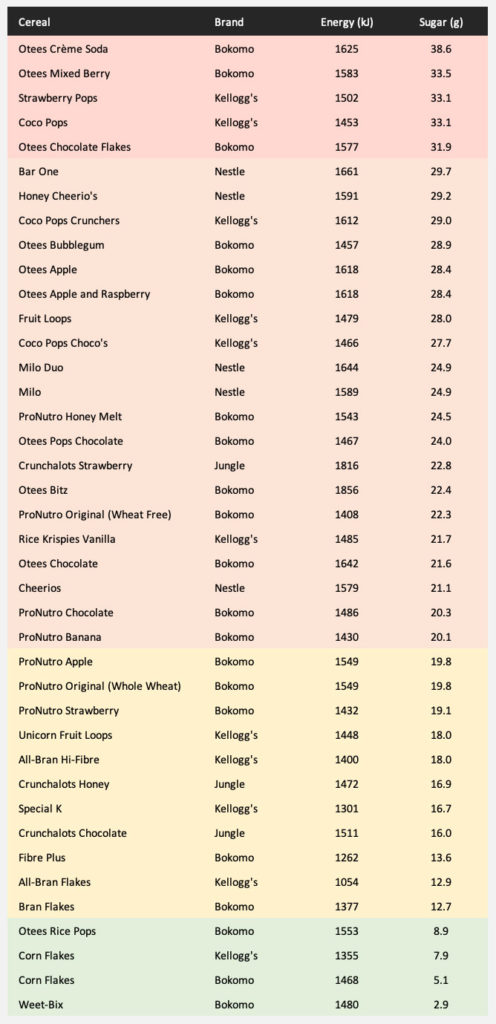
Sugar in Breakfast Cereal

The amount of added sugar in breakfast cereal is shocking. Even the healthy options have sugar!

It might be surprising that a range of the more expensive “health”, “protein” or “bran” varieties have higher sugar contents, but if you think about the bland taste of bran, they would need to pump up the sugar and salt.

A serving is 30grams, which is less than what adults actually eat.

Adding Milk will increase the amount of sugar further (5 grams of sugar per 100g of milk)

Stay with the basics – oats.

If you are looking at the healthiest option, you cannot go wrong with oats cooked (or microwaved) with water.

Overnight no-cook oats with fat-free sugar-free yogurt is definitely a great tasting morning treat.

  • 1/3 cup oats (the kind that cook in 5 minutes) plus a teaspoonful for topping
  • 1/3 cup Low fat sugar-free yogurt (Greek yogurt if you want the fat content without the sugar)
  • 1/3 cup milk (skimmed, low fat or full fat if you prefer)
  • 1/2 teaspoon vanilla extract (or 1/4 teaspoon almond extract)
  • 2 teaspoons of powered sugar replacement (or ommit if y ou want to reduce sugar altogether, it is still tastes great without sugar!)
  • 1/2 cup fruit, frozen or fresh if you prefer added fruit, instead of using yogurt with fruit.

Add oats, yogurt, milk, vanilla or almond extract, and sugar substitute together and mix completely in a breakfast bowl. Stir in the fruit and mix to distribute evenly. Sprinkle the extra teaspoon of oats over the top and do not stir.

Put this in the fridge overnight and enjoy in the morning. You can make these breakfasts 3 days in advance and prep your meals 3 days ahead.

You can use blueberries, chopped banana, Strawberries, mango, raspberries, and peaches. Dice the larger fruits.

Sugar content of breakfast cereals

6 easy ways to lose stomach fat

Reduce belly fat

Not only does stomach fat look bad, its strongly linked to diseases like type 2 diabetes and heart disease .

If your stomach is larger than 102cm as a men, or 88cm as a woman, then you have abdominal obesity.

Reducing stomach fat is the most difficult to get rid of, you need to reduce your body fat to reduce your stomach.

Here are 6 steps to get you on the right pat to a smaller stomach, and healthier life.

1. Cut the sugar

When you eat a lot of added sugar, the liver gets overloaded with fructose and this all turns into fat.

When you drink sugar-sweetened beverages, you end up eating more total calories because your brain does not “register” liquid in the same way as solid foods.

This includes sugar-sweetened cold drinks, sugary fizzy drinks, fruit juices and sports drinks.

Eat fruits, such as apple or pears, and drink water instead of these drinks.

2. Eat more protein

It has been shown to reduce cravings, boost metabolism, and help you eat fewer calories per day.

25-30% of calories of your food should consist of protein. This means that you should replace 25% of your existing diet (or reduced calorie diet) with protein.

High-protein foods include  whole eggs, fish, seafood, legumes, nuts, meat and dairy products.

3. Cut the carbs from your diet

By replacing 25% to 30% of your food with protein foods will already reduce your carb intake.

If you need to lose weight fast, then consider dropping your carbs down to 50 grams per day. This will put your body into ketosis, killing your appetite and making your body start burning primarily fats for fuel.

4. Eat foods rich in fiber, especially viscous fiber

Dietary fiber is indigestible plant matter, and eating plenty of fiber can help with weight loss.

Not all fiber is created equal.

It is the soluble and viscous fibers have an effect on your weight.

These are fibers that bind water and form a thick gel that “sits” in the gut.

This gel can dramatically slow the movement of food through your digestive system, and slow down the digestion and absorption of nutrients. The end result is a prolonged feeling of fullness and reduced appetite.

The best way to get more fiber is to eat a lot of plant foods like vegetables and fruit. Legumes are also a good source, as well as some cereals like whole oats.

5. Exercise

Spot reduction is not possible as mentioned at the start of this article. In order to reduce your stomach, you have to reduce all your fat.

Exercise burns calories, first from carbs, then the fat. Exercise at least 20 minutes each day. Aim for 30 minutes, It is claimed that your body only burns carbs in the first 10minutes.

When you exercise you must move at a steady pace (not too fast, not too slow) so your body will utilize your stored fat (not carbohydrates or sugar) as its energy source. You will need to exercise in your fat burning zone, this is the heart rate you are most likely to be burning fat in. This zone is between 55 to 70 percent of your maximum heart rate (max HR).

The more intensely you exercise the more your body turns to carbs for energy. So keep the pace steady and check your heart rate.

Just don’t reach for that chocolate, or energy drink, after exercise.

Heat rate zones

6. Track your foods and figure out exactly what and how much you are eating

What you eat is important.

However, most people actually don’t what they are really eating.

People think they’re eating “high protein,” “low-carb” or something else, but tend to drastically over- or underestimate.

If you want to boost your protein intake to 25-30% of calories, as recommended above, just eating more protein rich foods won’t be enough. You need to actually measure and fine tune in order to reach that goal.

Every bit helps in reducing the stomach. Starting at any step is a good start.